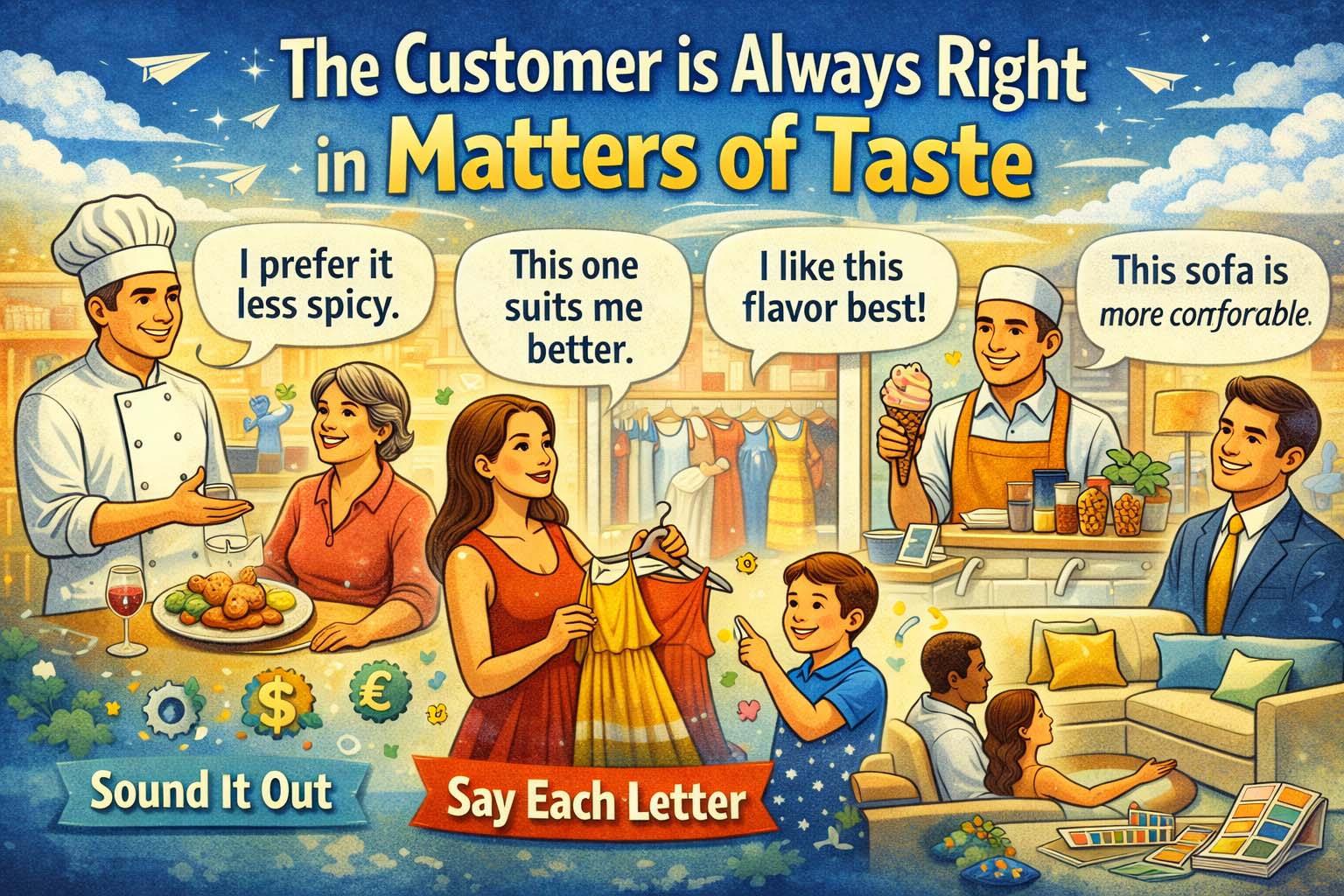
In the world of business, one phrase continues to stand the test of time: “the customer is always right in matters of taste.” While often misunderstood, this principle plays a critical role in shaping customer experience, brand perception, and long-term success. In today’s competitive digital landscape, where personalization and user preferences dominate decision-making, understanding this concept is more important than ever.
This SEO-friendly article explores the real meaning behind the phrase, why it matters in modern business, and how companies can apply it effectively to increase customer satisfaction, improve conversions, and build lasting relationships.
What Does “The Customer Is Always Right in Matters of Taste” Mean?
The full phrase emphasizes subjective preferences, not objective correctness. It means that when customers are making choices based on personal taste—such as style, design, color, or flavor—their opinions should be respected.
For example:
- A customer prefers a bright website design over a minimalist one
- A client chooses bold branding instead of subtle tones
- A diner orders food prepared in a specific way
In all these cases, the decision is based on individual taste. There is no universal “right” answer.
Key SEO Insight
Understanding customer preferences is essential for improving:
- User experience (UX)
- Conversion rates
- Customer retention
Why Customer Taste Is Important in Modern Business
1. Personalization Improves Customer Experience
Today’s consumers expect personalized experiences. Businesses that adapt to customer tastes are more likely to meet expectations and create memorable interactions.
Personalization can include:
- Customized product recommendations
- Tailored marketing messages
- Flexible design options
When customers feel understood, they are more likely to engage with your brand.
2. Respecting Taste Builds Customer Loyalty
Customer loyalty is driven by emotional connection. When businesses honor customer preferences, they show respect and appreciation.
This leads to:
- Repeat purchases
- Positive reviews
- Word-of-mouth marketing
In SEO terms, loyal customers often generate organic traffic through brand searches and referrals.
3. Competitive Advantage in Crowded Markets
In saturated industries, offering what customers want—not just what businesses think they need—can set a brand apart.
Companies that listen to their audience can:
- Identify trends faster
- Adapt quickly
- Stay relevant
Applying the Principle in Different Industries
Retail and E-Commerce
In online shopping, customer taste drives purchasing decisions. Businesses use data to recommend products aligned with user preferences.
Examples:
- Personalized product suggestions
- Customizable items
- User-driven reviews
Food and Hospitality
Taste is literally central in this industry. Restaurants succeed by accommodating customer preferences, dietary needs, and cultural expectations.
Offering:
- Menu customization
- Alternative ingredients
- Flexible preparation styles
enhances customer satisfaction.
Digital Marketing and Web Design
Clients often have strong opinions about branding, colors, and layouts. While professionals provide expertise, the final output should reflect the client’s taste.
Balancing SEO optimization with design preferences is key to success.
Balancing Customer Taste with Professional Expertise
While the customer’s taste matters, businesses must also maintain standards. The goal is not blind agreement but guided collaboration.
1. Offer Expert Recommendations
Professionals should guide customers toward better decisions without dismissing their preferences.
Example:
Suggesting SEO-friendly layouts while keeping the client’s design style.
2. Provide Multiple Options
Offering choices empowers customers while ensuring quality.
This approach:
- Reduces conflict
- Improves satisfaction
- Encourages informed decisions
3. Maintain Quality Standards
If a customer’s choice negatively impacts functionality, safety, or usability, it’s important to explain why adjustments are needed.
Common Misunderstandings
Myth: The Customer Is Always Right (In Everything)
This is incorrect. The principle only applies to taste—not facts, policies, or unreasonable demands.
Myth: Businesses Must Agree with Every Request
Companies should respect preferences but not compromise:
- Safety
- Legal requirements
- Brand integrity
Myth: Customer Preferences Are Static
Customer tastes evolve. Businesses must continuously adapt to stay relevant.
SEO Benefits of Understanding Customer Taste
Applying this principle can significantly improve SEO performance.
1. Improved User Engagement
When content and design match user preferences:
- Bounce rates decrease
- Time on site increases
2. Higher Conversion Rates
Personalized experiences lead to:
- More clicks
- More purchases
- Better ROI
3. Better Keyword Targeting
Understanding customer taste helps identify:
- Search intent
- Trending keywords
- User behavior patterns
Practical Strategies to Implement This Principle
1. Conduct Customer Research
Use tools like:
- Surveys
- Analytics
- Feedback forms
to understand customer preferences.
2. Leverage Data and Analytics
Track:
- Browsing behavior
- Purchase history
- Engagement metrics
This data helps tailor offerings.
3. Encourage Customer Feedback
Customer reviews provide valuable insights into taste and expectations.
4. Offer Customization
Allow customers to personalize:
- Products
- Services
- Experiences
5. Train Your Team
Employees should understand how to:
- Respect customer preferences
- Communicate effectively
- Handle disagreements professionally
The Role of Technology in Customer Preferences
Technology plays a major role in understanding and adapting to customer taste.
Artificial Intelligence (AI)
AI helps businesses:
- Predict preferences
- Recommend products
- Automate personalization
Big Data
Data analytics allows companies to:
- Identify trends
- Understand behavior
- Improve targeting
Social Media Trends
Platforms like Instagram and TikTok influence customer taste. Businesses must stay updated with these trends to remain competitive.
Real-World Examples
E-Commerce Platforms
Online stores suggest products based on browsing history, improving user experience and increasing sales.
Streaming Services
Platforms recommend content based on viewing habits, ensuring users find what they enjoy.
Food Chains
Restaurants allow customers to customize meals, catering to diverse tastes and preferences.
When the Customer Is Not Right
There are limits to this principle.
1. Safety Issues
Requests that compromise safety must be رفضed.
2. Legal Compliance
Businesses must follow laws and regulations.
3. Brand Identity
Not all customer preferences align with brand values.
Future of Customer-Centric Business
The importance of customer taste will continue to grow.
Trends to Watch:
- Hyper-personalization
- AI-driven recommendations
- Customer co-creation
Businesses that prioritize customer preferences will remain competitive in the evolving marketplace.
Conclusion
slogan—it is a powerful strategy for success in the modern marketplace. By respecting customer preferences, businesses can create personalized experiences, build trust, and foster long-term loyalty.
However, the key lies in balance. While customer taste should guide decisions, businesses must also uphold quality, expertise, and integrity. When applied correctly, this principle not only enhances customer satisfaction but also boosts SEO performance, increases conversions, and strengthens brand reputation.